
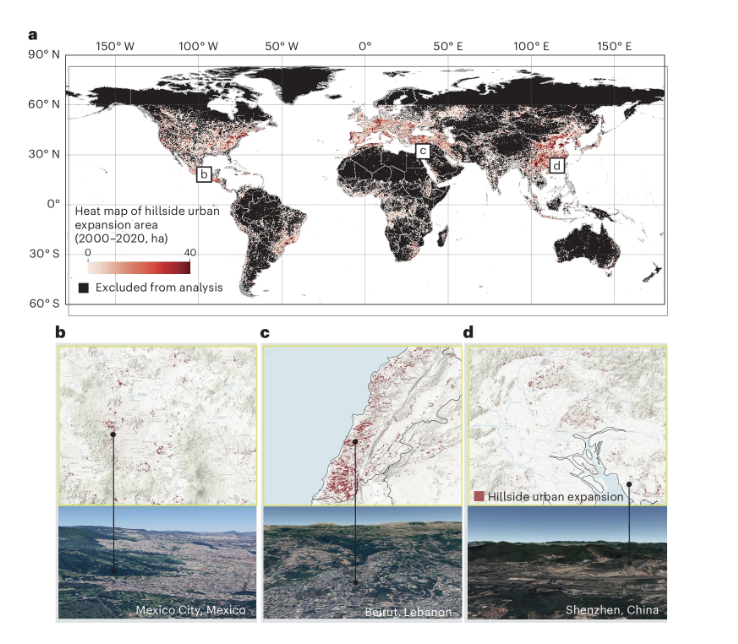
Nature Cities (2025): This study documented 11.65 million hectares of global hillside urban expansion from 2000–2020, with 35% in biodiversity hotspots, showing major threats to natural habitat and threatened species.
Global Environmental Change (2025): This study prototyped a participatory method that turned climate pathways into local community storyworlds, helping make climate science more meaningful and increasing collaboration and agency.
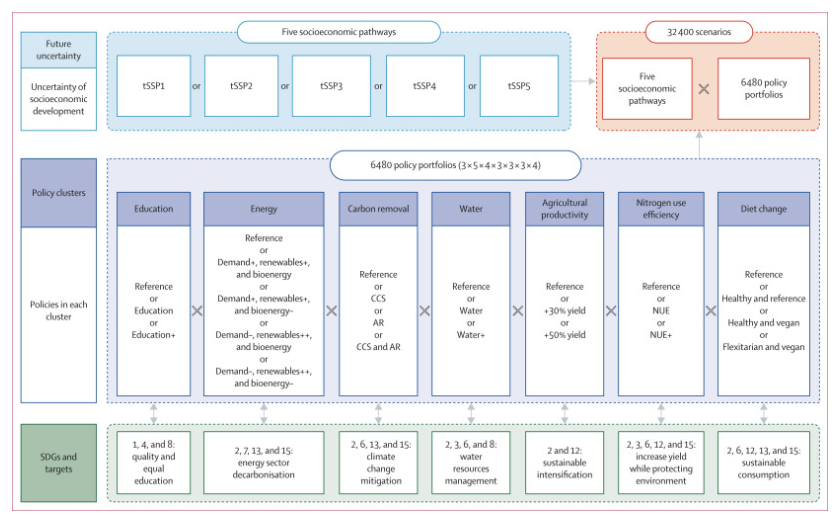
The Lancet Planetary Health (2025): This study assessed 6,480 policy portfolios across 32 SDG indicators and found that integrated multisectoral strategies could substantially accelerate global SDG progress.
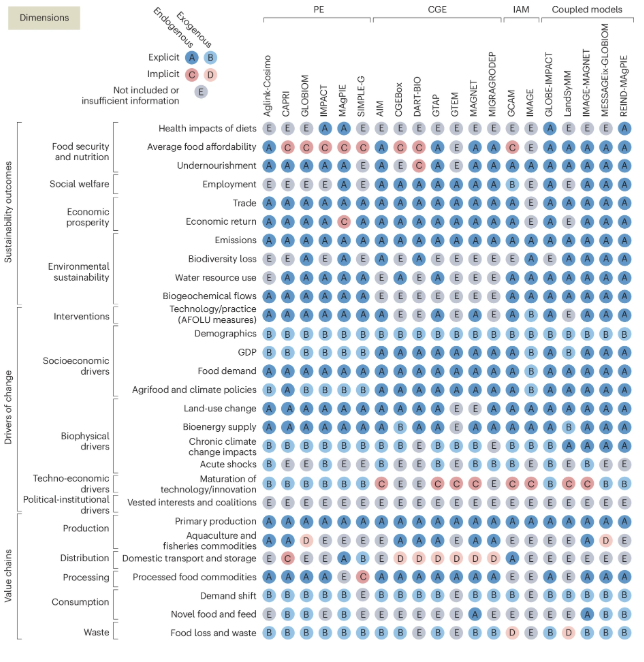
Nature Food (2025): This paper evaluates how well current food system models capture complexity and uncertainty, and argues that more inclusive participatory approaches are needed to improve decision-making.
Proceedings of the National Academy of Sciences (2025): This study assessed progress across 117 SDG indicators in 167 countries and projected that the global SDG score will reach only around 63% by 2030 without faster progress.
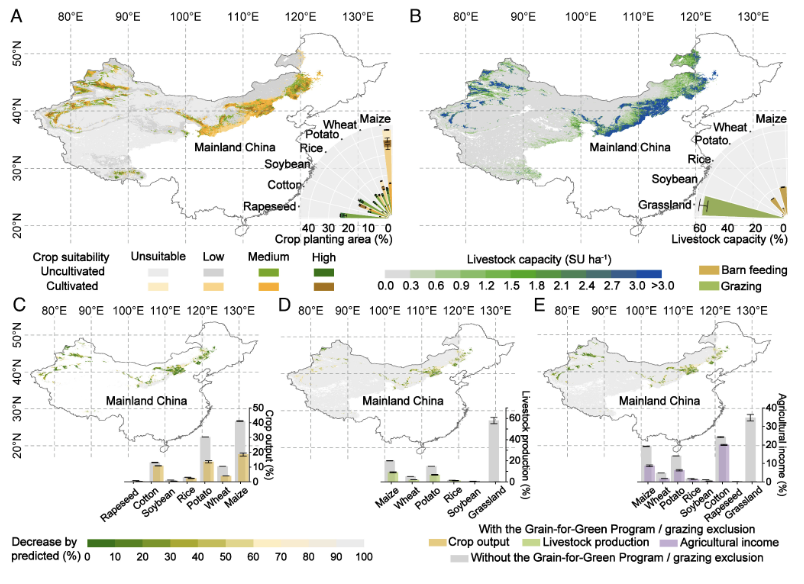
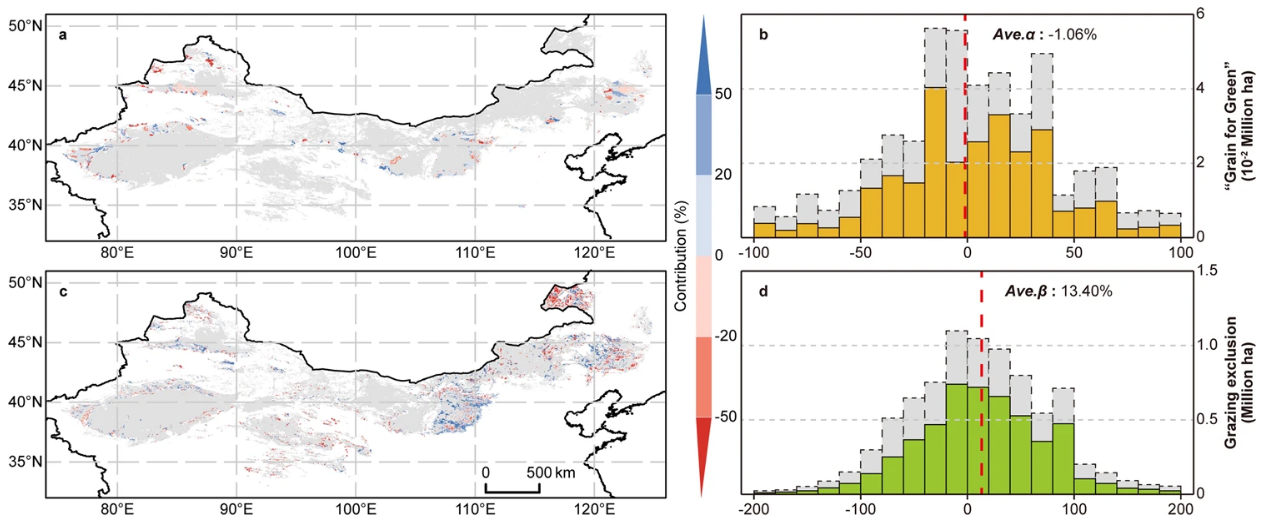
Proceedings of the National Academy of Sciences (2026): This study evaluated desertification reversal strategies in China and found that alternative pathways such as pasture cultivation and crop switching could better support ecosystems, livelihoods and sustainable development goals.
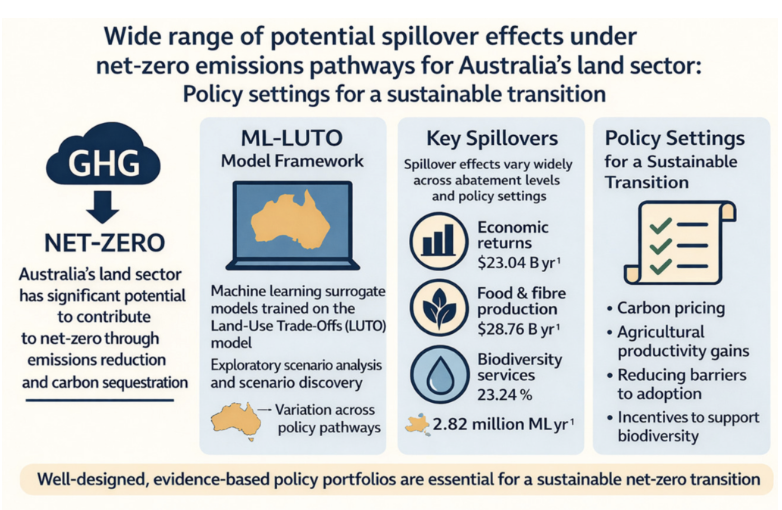
Geography and Sustainability (2026): This study identified net-zero compliant pathways for Australia’s land sector and found that policy design strongly shaped trade-offs and co-benefits across economic returns, food production, biodiversity and water resources.
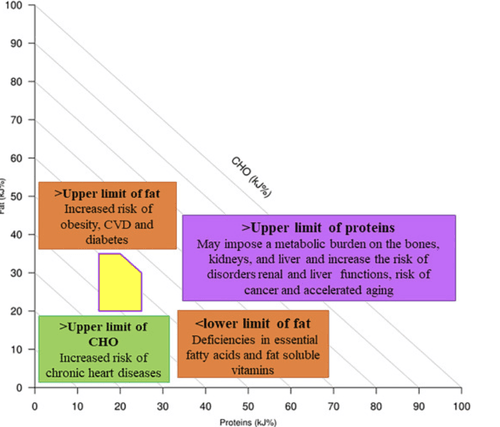
The American Journal of Clinical Nutrition (2023): This paper argues that dietary guidelines should go beyond health alone and better incorporate environmental and economic sustainability using a nutrient-based assessment approach.
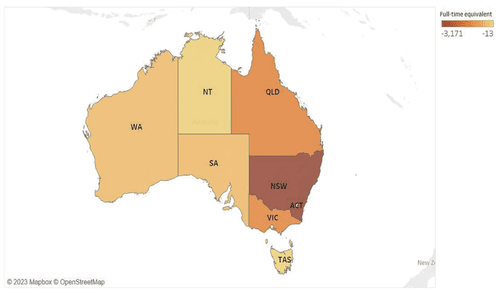
Economics of Disasters and Climate Change (2024): This study estimated AU$2.8 billion in output losses, $810 million in income losses, and 7,300 lost jobs following the tourism shutdown caused by the 2019–20 Black Summer bushfires.
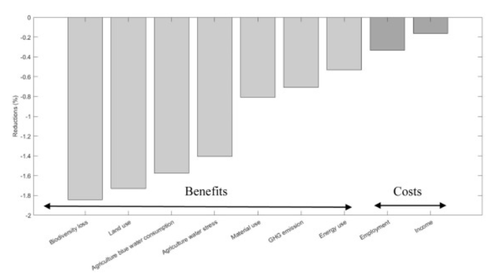
Environmental Innovation and Societal Transitions (2025): This study found that replacing livestock meat with soy-based alternatives could reduce biodiversity loss, land use, and agricultural water consumption, while causing only modest socio-economic impacts.
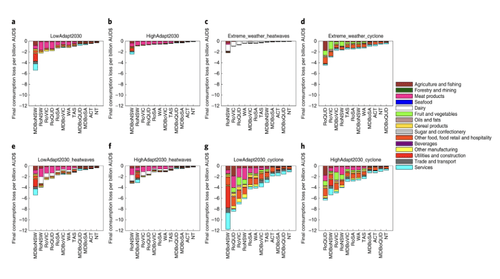
Nature Food (2022): This study showed that climate change and extreme weather disruptions spread across food supply chains, with fruit, vegetable, and livestock sectors most affected and rural communities experiencing the greatest impacts.
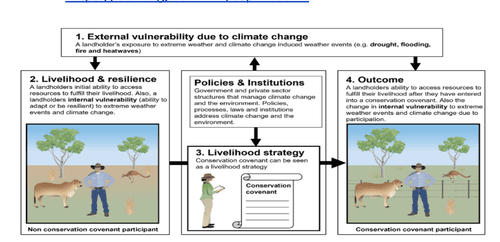
Journal of Environmental Management (2025): This study found that belief in the effectiveness of conservation covenants and concern about future extreme weather events were the strongest predictors of landholders’ intentions to adopt conservation agreements.
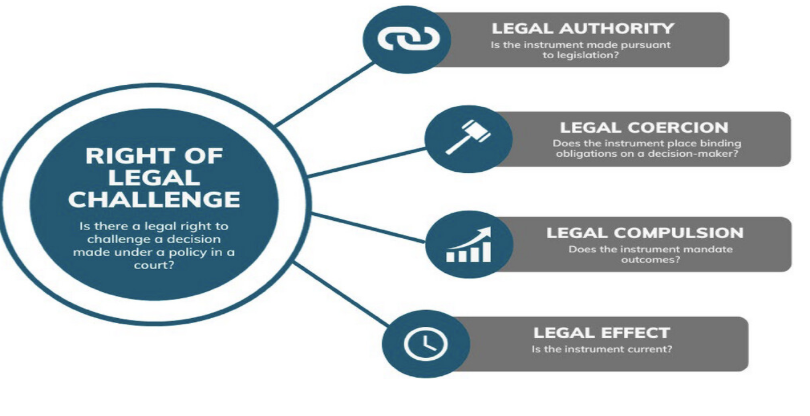
Conservation Letters (2024): This paper explains the difference between legally binding instruments and nonstatutory policy, helping conservation scientists and policymakers understand when policy can be legally enforced or challenged.
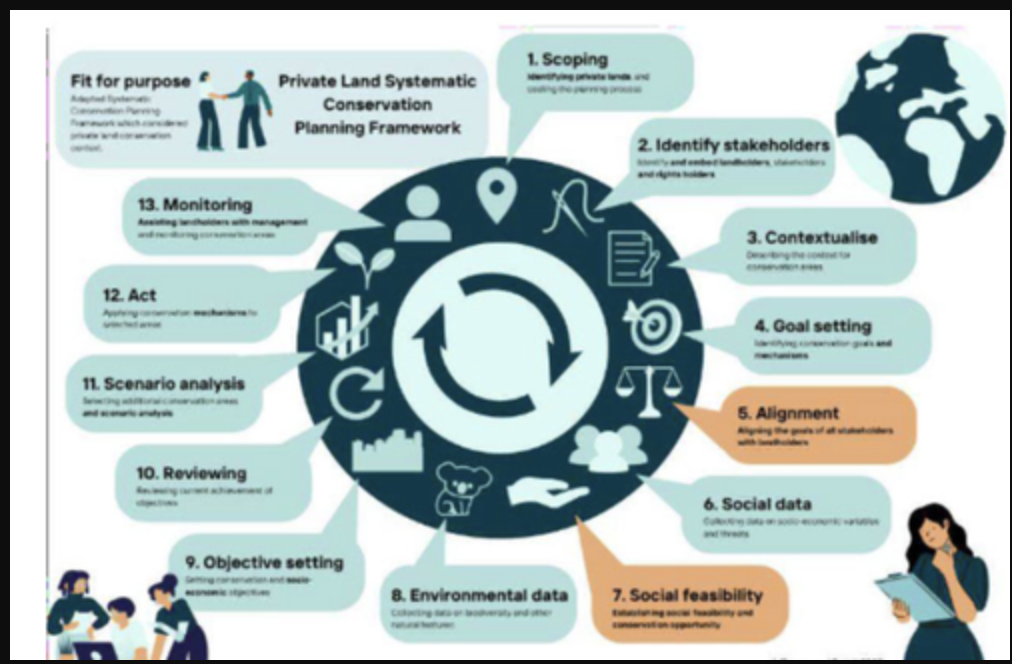
SSRN (2025): This study reviewed 66 conservation planning studies across 44 countries and found that stakeholder perspectives were often underused, highlighting the need for stronger landholder and stakeholder engagement in private land conservation.
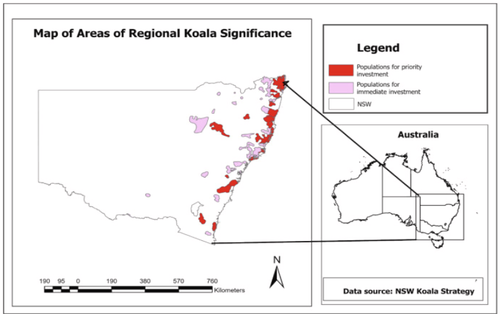
Conservation Science and Practice (2025): This study explored how conservation practitioners and landholders in NSW view climate change risks, showing that while both groups reported similar vulnerability, covenant adopters were more optimistic about financial and environmental outcomes.
Environmental Modelling & Software: Environmental Modelling & Software: This paper proposes s-LSTM, a top-down deep learning model, for efficiently modelling and predicting the spatiotemporal dynamics of groundwater recharge.
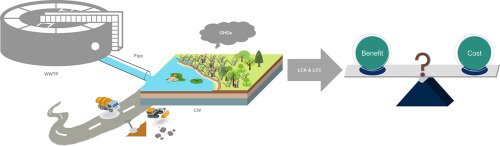
Resources, Conservation and Recycling: To preserve and restore water ecosystems, China has implemented increasingly stringent emissions standards (Weak, Moderate, and Ambitious) for wastewater treatment plants and constructed wetlands (CWs) are an effective means of improving tailwater standards.
Sustainability Science: This study underscored the importance of harmonising local initiatives with global sustainability objectives and can inspire local governance to champion resilience policies that harmoniously integrate local actions with global sustainability goals, adapting to evolving uncertainty scenarios.
Landscape Ecology: Supply of freshwater to the world’s cities is increasingly affected by human pressures and climate change. Understanding the effects of human pressures and climate change on global urban water scarcity and quality risks in an integrated way is important.
Ecological Economics: Using a multi-regional input-output model and cropland limits of agri-food consumption and production, we identified specific countries and commodity supply chains that contribute to the exceedance of production-based cropland limits of producer countries (both domestic and via trade).
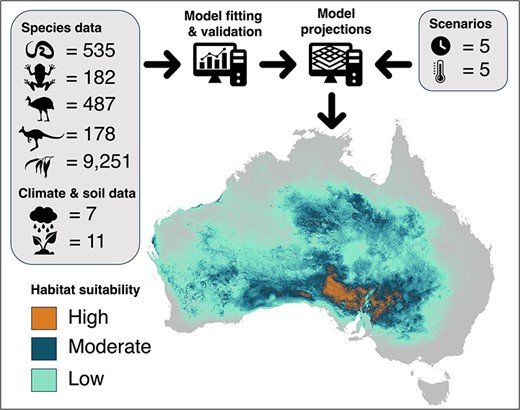
GigaScience: Spatial information about the location and suitability of areas for native plant and animal species under different climate futures is an important input to land use and conservation planning and management.
Journal of Environmental Management: Wastewater treatment plants (WWTPs) in China must be upgraded to meet new discharge standards, but this incurs both economic and environmental costs and benefits.
Ecological Economics: A review of socioeconomic indicators of sustainability and wellbeing building on the social foundations framework
MOO-GAPS: A multi-objective optimization model for global animal production and sustainability
Nature Food: Climate-friendly and nutrition-sensitive interventions can close the global dietary nutrient gap while reducing GHG emissions
Nature communications: Mature Andean forests as globally important carbon sinks and future carbon refuges
Preprints: Linking Responsible Consumption and Production: A Global Assessment of Cropland Use for Agri-Food Production.
Environmental Science & Policy: Prioritizing Sustainable Development Goals, characterizing interactions, and identifying solutions for local sustainability.
Frontiers in ecology and evolution: Small Landscape Elements Double Connectivity in Highly Fragmented Areas of the Brazilian Atlantic Forest.
Nature Communications: Mature Andean forests as globally important carbon sinks and future carbon refuges.
Global Food Security: Does global food trade close the dietary nutrient gap for the world's poorest nations?
IPC–MERCATOR ANALYSIS: Sustainable and nutrition-sensitive food systems: The planetary boundary approach.
GI Science & Remote Sensing: Consistent, accurate, high resolution, long time-series mapping of built-up land in the North China Plain.
Socio- Ecological Practice Research: In June 2019, Prof Brett Bryan attended the 1st Socio-Ecological Practice Research Conference held in Shanghai, China where he was apart of a workshop on the theory-practice gap (TPG). The goal of this workshop was to characterize the TPG and identify practical recommendations for minimizing it.
Climateworks centre: Members of the Planet-A lab were contacted by Climateworks to conduct an analysis on Australia’s contribution to planetary health.
Journal of Urban ecology: The role of invasion and urbanization gradients in shaping avian community composition.
The conversation: A lone tree makes it easier for birds and bees to navigate farmland, like a stepping stone between habitats.
Science of the Total environments: Changes in supply and demand mediate the effects of land-use change on freshwater ecosystem services flows.
Remote sensing of environment: High resolution wall-to-wall land-cover mapping and land change assessment for Australia from 1985 to 2015.
Workshop: Embedding climate change projections into Great Barrier Reef catchment models - In March 2022, Carla was invited to attend a workshop about effective management across the land-sea continuum by researchers at the University of Melbourne.
Foods: Short-Term Implications of Climate Shocks on Wheat-Based Nutrient Flows: A Global “Nutrition at Risk” Analysis through a Stochastic CGE Model
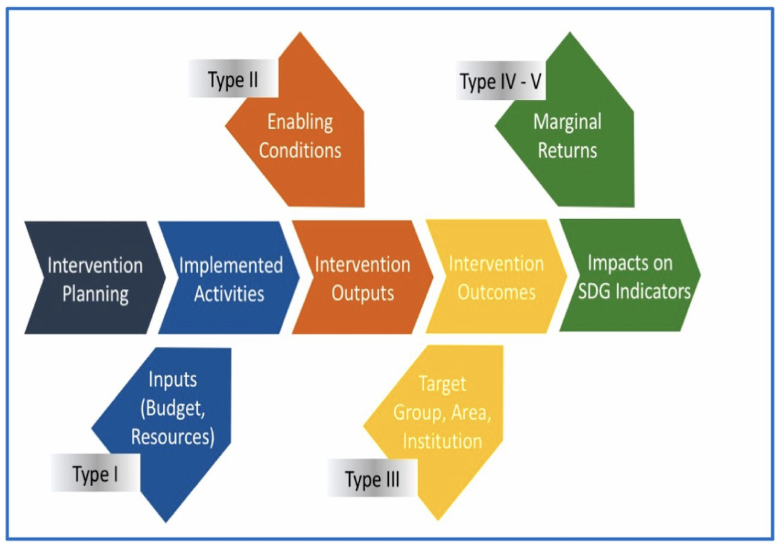
The Lance Planetary Health: Articulating the impact of food systems innovation on the Sustainable Development Goals
Abdullah Shaikh with Nicolas Roux: Assessing trade flows through a telecoupling lens - Globally sharing land and its ecosystem functions through international trade
Sustainability Science: Co-creating local socioeconomic pathways for achieving the sustainable development goals
Earth’s Future: Evaluating participatory modelling methods for co‐creating pathways to sustainability
BLOG: PhD Reihaneh Bandari describes the research and challenges to identify local sustainability goals in her Goulburn-Murray case study
ACS Publications: Pesticide Toxicity Hazard of Agriculture: Regional and Commodity Hotspots in Australia
Global Food Security. Does global food trade close the dietary nutrient gap for the world’s poorest nations?
The sharing economy and sustainability – assessing Airbnb’s direct, indirect and induced carbon footprint in Sydney
Unravelling the effects of large-scale ecological programs on ecological rehabilitation of China’s Three Gorges Dam.
Towards automatic calibration of neighbourhood influence in cellular automata land-use models.
Automatic calibration of a whole-of-basin water accounting model using a comprehensive learning particle swarm optimiser
China’s response to a national land-system sustainability emergency. Freely access the full paper with summaries and links to the ensuing media articles, blog posts, video and podcast which provide great insight into China’s unprecedented progress towards achieving the UN Sustainable Development Goals.
Modelling Transitions shows what computational, formal and data-driven approaches can and could mean for sustainability transitions research, presenting the state-of-the-art and exploring what lies beyond.
Australia is slipping down the global sustainability rankings. Allen et al. show that it could improve if it wanted to but full SDG achievement will be tough.
This requires a transition towards robust model-based inferences which are effective despite uncertainties of human and climate driven change.

One Earth (2025): This study found that only a small number of food system intervention combinations can stay within all four key environmental limits, with diet change, GHG intensity, nutrient management and feed efficiency identified as the main levers.